
The best PTC site for crypto payouts in 2026 is the one that publishes its rates before you click, pays in a coin you can actually use, and lets you test a withdrawal before you commit serious time. Everything else — member counts, design polish, marketing claims — is secondary to those three tests.
This guide sets out the criteria that separate a genuinely crypto-native PTC platform from one that added a wallet page as an afterthought, then compares seven platforms on their published terms.

Why crypto payouts change the PTC calculation
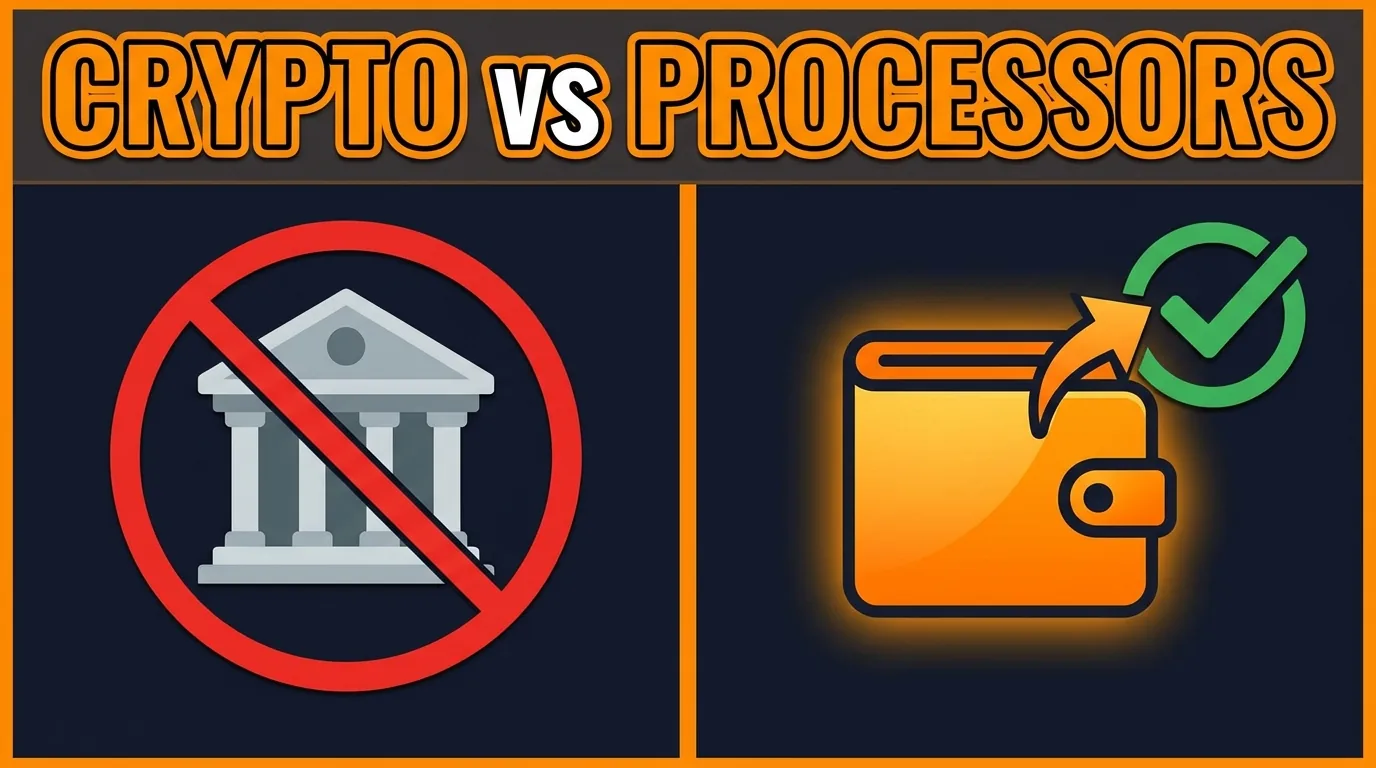
Traditional PTC platforms were built around payment processors. That single design decision shaped who could use them: PayPal, Skrill and similar services exclude or restrict large parts of Africa, South Asia and Southeast Asia, so an enormous share of the PTC audience could earn a balance but never withdraw it.
Crypto payouts remove that constraint. A wallet address works the same way in Lagos, Karachi, Manila and Manchester — the platform does not need to be available in your country for the payout rail to reach you.
There is a second, subtler advantage. Crypto settlement is direct: the platform sends to your address, you control the funds. There is no processor in the middle that can freeze or reverse a payout. For anyone whose previous experience of earning online ended in a processor hold, that difference is the whole point.
The trade-off is that you manage the wallet yourself, and network fees apply. We cover both in our USDT TRC20 vs ERC20 comparison.

The seven criteria that actually matter
Before comparing platforms, it helps to know what you are comparing. These are the tests that hold up.
1. Are task rates published before you click?
This is the single most revealing test. A platform that shows each task's reward and timer before the member commits is confident in its rates. A platform that reveals the reward afterwards, or that describes rates only as "competitive", is asking you to work on faith.
2. Which coins, on which networks?
"Pays in crypto" is not specific enough. A platform paying only in BTC is technically crypto-native, but a small BTC withdrawal can be eaten by network fees. Look for stablecoin options — USDT on TRC20 or ERC20 — because a stablecoin's value does not move between earning and withdrawal.
3. What is the minimum withdrawal, and is it published clearly?
PTC balances accumulate slowly, so the withdrawal threshold determines how long you wait for a first payout. It should be stated plainly on the withdrawal page, not buried in terms. Our advice in the CatPTC review applies generally: confirm the threshold on the page itself rather than trusting a second-hand number.
4. Is there a risk disclosure where the risk is?
If a platform sells any investment-style product, the capital-at-risk warning should sit on the product page, not in a footer. A disclosure you have to hunt for is not really a disclosure.
5. How does the site handle a first withdrawal?
Payout speed matters less than predictability. "Processed within 24 hours on business days" is a far more useful promise than "instant", because it is a promise a platform can keep.
6. Does the domain have a track record?
Domain age is a rough proxy for survivorship. A platform registered last year has not yet demonstrated it can pay through a full market cycle. That is not disqualifying — every site was young once — but it should shape how much time you invest before testing a withdrawal.
7. Do they require a deposit to earn?
This is the bright line. Paying for the privilege of earning is the defining feature of a PTC scam, and the SEC's investor alert on paid-to-click schemes is worth reading on exactly this point. Legitimate platforms let you earn first.
Seven platforms compared on published terms
The comparison below uses only what each platform publicly states. We have not tested every platform's payout personally, and where we have not, we say so rather than implying first-hand verification.
| Platform | Payout method | Crypto-native | Rate transparency | Notes |
|---|---|---|---|---|
| CatPTC | BTC, ETH (ERC20), LTC, DOGE, USDT (TRC20/ERC20) | Yes — six networks | Reward + timer before commitment | $1.50 signup bonus; partner plans carry capital at risk |
| NeoBux | Internal balance, processor payouts | No (legacy model) | Published rate structure | Long-established; check current terms |
| ScarletClicks | Internal balance, processor payouts | No (legacy model) | Published rate structure | Long-established; check current terms |
| GPTPlanet | Processor payouts | No (legacy model) | Published rate structure | Legacy GPT/PTC hybrid |
| PaidVerts | Processor payouts | No (legacy model) | Published rate structure | Legacy platform |
| Ojooo WAD | Processor payouts | No (legacy model) | Published rate structure | Legacy platform |
| ySense | Processor payouts | No (survey-led) | Published rate structure | Broader GPT model, not PTC-only |
A note on reading that table honestly: NeoBux, ScarletClicks, GPTPlanet, PaidVerts, Ojooo and ySense have operated far longer than CatPTC, and longevity is genuine evidence. CatPTC's advantage is not age — it is the payout rail. It settles in six crypto network options where the legacy platforms settle through processors that exclude many countries.
If you are in a market a processor serves well, the legacy platforms remain a reasonable choice. If you are not, the crypto-native option is not a preference; it is the difference between being able to withdraw and not.
How to test any of them in fifteen minutes
A comparison table can only tell you what platforms claim. Testing tells you what they do.
Step one: register and note whether a deposit or card is required. On a legitimate platform, it should not be.
Step two: complete a handful of tasks and confirm the reward credited matches the reward shown before you clicked. A mismatch here is a disqualifying finding.
Step three: check the withdrawal page and read the minimum threshold, the fee treatment, and the stated processing time as the platform publishes them.
Step four: if you have reached the threshold, make the smallest withdrawal available and time it. That single data point is worth more than any review, including this one.
Our nine-step PTC verification guide expands each of these into a full checklist you can run against any platform.
Where crypto PTC still falls short
Honesty requires the other half of the picture. Crypto payouts solve the access problem; they do not solve the economics.
PTC task earning is small. Across the category, per-task rewards sit in the low cents and effective rates rarely exceed a fifth of a dollar per minute. This is supplementary income by design — the advertiser's budget for a ten-second impression is simply not large, and no platform can pay out more than advertisers pay in. Anyone promising otherwise is either subsidising early members with later members' money or misrepresenting the numbers.
Crypto also introduces risks that processor payouts do not. You are responsible for your own wallet security. Network fees apply. And a stablecoin is stable relative to the dollar, not guaranteed to be — a nuance worth understanding before you hold a balance in one.
Neither point is a reason to avoid crypto payouts. Both are reasons to arrive with accurate expectations.

How to choose, in one paragraph
If you are outside the markets that mainstream processors serve, prioritise crypto-native platforms with published rates and a low, clearly stated withdrawal threshold. If you are inside those markets, compare crypto-native and legacy options on rate transparency and threshold rather than on brand familiarity. In either case, run the fifteen-minute test before investing serious time, and treat any platform that requires a deposit to earn as a closed door.
Testing any platform? Start free.CatPTC needs no deposit to earn, and the $1.50 signup bonus means you can try the task flow before committing anything.
Join free — no deposit →Frequently Asked Questions
What makes a PTC site good for crypto payouts?
Three things, in order of importance: rates and timers published before you commit to a task; a spread of payout coins including a stablecoin on a low-fee network; and a withdrawal threshold stated plainly on the withdrawal page. A platform with all three is worth testing. One missing any of them is worth approaching cautiously.
Which crypto should you withdraw PTC earnings in?
For small balances, a stablecoin on a low-fee network is usually the practical choice — USDT on TRC20 is commonly the cheapest option. USDT keeps a stable dollar value between earning and withdrawal, while BTC, ETH, LTC and DOGE can move in either direction while your balance sits. Confirm current network fees on a fee tracker before choosing.
Is CatPTC the best PTC site for crypto payouts?
It is the strongest fit among the platforms we reviewed if access is your constraint, because it settles in six crypto network options where the legacy platforms depend on processors that exclude many countries. "Best" depends on your priorities, and we would not claim the title unconditionally — CatPTC is younger than the legacy platforms and that matters.
Do you need a crypto wallet to start?
To earn, no — you can register and complete tasks without one. To withdraw, yes: you need an address for whichever coin you choose. Any reputable self-custody wallet works for USDT, BTC, LTC or DOGE, and the platform lets you change your chosen coin at withdrawal.
Are crypto PTC sites safe?
Task earning on a reputable crypto PTC site carries no capital risk, because you deposit nothing. The risks are wallet security, network fees and ordinary platform risk — a site that stops paying. That last risk is why testing a small withdrawal early matters more than any review.
Can you make a living from crypto PTC sites?
No. Per-task rewards across the category run in the low cents, and effective rates rarely exceed about $0.22 per minute. Even sustained daily use produces supplementary income, not a wage. Treat it as a way to earn a small amount of crypto for time you would otherwise spend idle.
Final Thoughts
The best PTC site for crypto payouts is not the one with the largest member count or the flashiest rates. It is the one that tells you the reward before you click, pays in a coin that reaches your wallet, states its withdrawal threshold where you can find it, and does not ask for money to let you start.
CatPTC fits that description today, with the caveat that it is younger than the platforms it competes with. Judge it on the published terms, run the fifteen-minute test, and let a small withdrawal be the deciding evidence.
CatPTC partner plans carry capital at risk, and a published return is not a guarantee of future performance. Task earning involves no deposit and no capital risk. Cryptocurrency values can move between earning and withdrawal. Nothing in this article is financial advice.
Start earning on CatPTC today. Six payout options, task rewards published before you commit, and a $1.50 signup bonus that lets you test the platform without depositing. Create your free account →
Earn crypto on CatPTC from a $1.50 bonus
Six payout options — BTC, ETH, LTC, DOGE and USDT on two networks — with no deposit required to start.
Create your free account →Registration takes under a minute and needs no card.