You requested a withdrawal, the status says pending, and nothing has moved for three days. This is the single most common support question in the paid-to-click world, and the answer is almost never "the site is a scam" — though sometimes it is.
The useful thing to know is that "pending" covers at least nine different situations, and they have different fixes. Some resolve themselves in an hour. Some need you to do something. A few mean you should stop clicking and start documenting. This guide separates them.
Most pending withdrawals are one of three things: a scheduled payout cycle you did not notice, an account verification step you have not completed, or a manual review triggered by a pattern change. Check the platform's payout schedule first, then your account's verification status, then your email for a document request. If all three are clear and the withdrawal is older than the platform's stated maximum, you are in the small minority where escalation is warranted.
Pending is not refused
The distinction matters more than it sounds. A refused withdrawal returns your balance and usually tells you why. A pending withdrawal has taken your balance out of the spendable total and is waiting for something — a timer, a person, or a check.
That means the first question is not "is this a scam" but "what is it waiting for". The nine causes below are ordered by how often they turn out to be the answer.
The nine causes, in order of likelihood
| # | Cause | Typical delay | What you do |
|---|---|---|---|
| 1 | Scheduled payout cycle | Until the next payout day | Read the payout schedule; wait |
| 2 | Unverified account | Until you verify | Complete KYC or email verification |
| 3 | Minimum threshold not met | Until balance grows | Check the real minimum, not the advertised one |
| 4 | Manual review of a pattern change | 1–7 days | Respond to any document request quickly |
| 5 | Wrong wallet address or account details | Until corrected | Cancel and re-request if the platform allows |
| 6 | Payment processor backlog | 1–5 days | Nothing — but note the date |
| 7 | Multiple accounts detected | Indefinite | Stop creating accounts; contact support honestly |
| 8 | Advertiser chargeback | Until resolved | Ask support what triggered it |
| 9 | Platform is failing | Never resolves | Document everything; stop earning there |
Rows one to three account for the large majority. Rows seven to nine are the ones that matter, and they are distinguishable by a few signals covered below.
Cause 1: the payout cycle you did not read
Many platforms do not pay on request. They accumulate requests and process them on a schedule — weekly, biweekly, or on specific days. A withdrawal requested on Monday for a Friday cycle is pending for four days by design.
This is the most common cause and the easiest to check. Look for a payout schedule page, a note in the withdrawal modal, or a line in the FAQ. If the platform says "processed every Friday" and today is Tuesday, you are not stuck, you are early.
Read the maximum, not the average. A platform that says "payouts within 48 hours" and one that says "payouts within 7 business days" are making very different promises. Judge a pending withdrawal against the stated maximum, not against your expectation.
Cause 2: verification you have not finished
Many platforms let you earn freely and only require verification at withdrawal. If you skipped the email confirmation, the identity check, or the address step, the withdrawal sits in a queue it cannot leave.
Check three places: your account settings for a verification status, your email including spam for a document request, and the withdrawal page itself for a notice. A verification request that went to spam is a surprisingly common cause of a week-long delay.
Cause 3: the minimum is higher than advertised
Advertised minimums are often per-rail. A platform may pay out from $1 by crypto but require $10 by PayPal, because the processor charges it a fixed fee. If you requested the wrong rail, the request can sit below the real threshold.
| Rail | Advertised minimum | Real minimum | Why they differ |
|---|---|---|---|
| Crypto (USDT TRC20) | $1–$2 | Same | Network fee is cents |
| PayPal | $1–$5 | $5–$10 | Processor fixed fee |
| Bank transfer | $10 | $20–$50 | SWIFT and handling costs |
| Mobile money | $1–$3 | $2–$5 | Operator fee per transaction |
Cause 4: a pattern change triggered review
Platforms watch for behaviour that looks like abuse: a sudden jump in earnings, a new IP country, a burst of referrals from one source, or a withdrawal far larger than your history. Any of these can move a request into manual review.
This is not necessarily an accusation. It is a queue, and manual queues are slow. The fix is to respond to any request for information within a day and to avoid changing more variables while you wait.
Causes 5 and 6: bad details and processor backlog
A wrong wallet address is the worst kind of pending: the platform may have already sent the money, in which case it is gone. Always copy-paste an address and check the first and last four characters. If the platform allows cancelling a pending request, cancel and re-request rather than waiting.
Processor backlog is the benign version. A payment processor can hold a batch for days without telling the platform. There is nothing to do but record the date and wait; if it clears, you will see it clear for everyone in the same batch.
Causes 7 to 9: the ones that mean stop
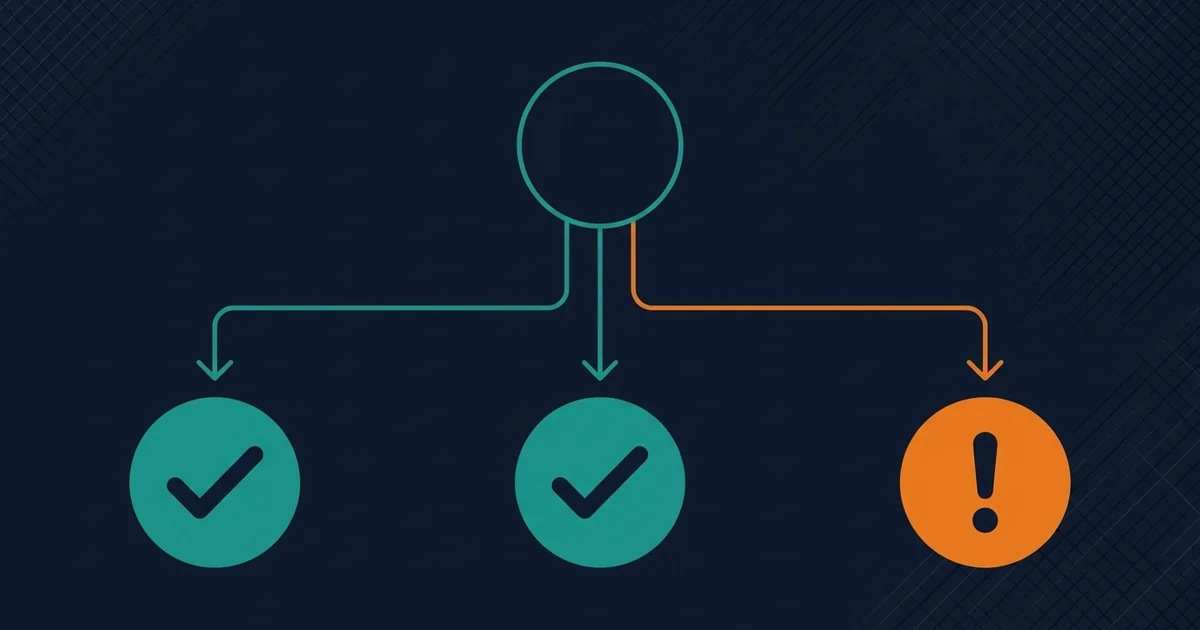
These are distinguishable from the benign causes by three signals.
- Support goes silent rather than slow. A backlog produces vague answers. A failing platform produces no answers at all.
- Other members report the same thing at the same time. Check independent forums, not the platform's own chat. A wave of identical complaints is the clearest signal there is.
- The site starts changing terms. New withdrawal minimums, new verification requirements, or a sudden "maintenance" notice on the withdrawal page are classic late-stage signals.
If two of those three signals are present, stop earning on the platform and start documenting. Every further hour you spend clicking is an hour you are unlikely to be paid for. Screenshot your balance, your withdrawal request, the terms you agreed to, and the support thread — in that order, before anything changes.
How to escalate properly
Wait past the stated maximum
Not past your expectation — past the platform's own published maximum. Escalating early gets you a template reply.
Write one clear message
Withdrawal ID, amount, date requested, rail, and the stated maximum you are now past. One message, no accusations.
Give a deadline
Ask for a specific answer by a specific date. This creates a record and often moves a ticket out of the general queue.
Escalate outside the platform
Payment processor, hosting provider, and your local consumer authority — in that order. See the reporting guide for the exact steps.
Sources and method
Payout schedules, minimums and verification requirements are site-reported and vary by platform; the ranges shown are observed across common platforms in 2026. Processor behaviour is described from member reports, not from processor documentation. This is not legal advice.
Frequently Asked Questions
How long should a PTC withdrawal stay pending?
Judge it against the platform's own stated maximum, not against your expectation. Many platforms process on a weekly cycle, so four to seven days is normal by design. If the platform says 48 hours and it has been five days, that is a real delay worth escalating.
Does pending mean I have lost the money?
No. Pending means the balance has been reserved and the request is waiting for a timer, a person, or a check. A refused withdrawal returns the balance. The exception is a wrong wallet address — if the platform already sent to a bad address, the funds are gone.
Why did my withdrawal go to manual review?
Usually a pattern change: a sudden earnings jump, a new country, a burst of referrals, or a withdrawal much larger than your history. It is a queue rather than an accusation. Respond to any document request within a day and avoid changing more variables while you wait.
Should I keep clicking while a withdrawal is pending?
Only if the platform is otherwise healthy. If support has gone silent, other members report the same problem at the same time, and the terms are changing, stop. Further clicking is unpaid work on a platform that is unlikely to pay.
What should I screenshot before escalating?
Your balance, the withdrawal request with its ID and date, the terms you agreed to at signup, and the full support thread. Capture them before anything changes on the site, because a failing platform often removes access to exactly these pages first.
Verdict
Most pending withdrawals are boring: a payout cycle, a verification step, or a threshold you misread. Check those three before you conclude anything. The minority that are not boring share a signature — silence, simultaneous complaints, and shifting terms — and that signature is worth recognising early.
The habit that protects you is documentation. A screenshot of every withdrawal request, taken the day you make it, costs ten seconds and is the only thing that helps if the platform later disappears.
If you are already past the point of waiting, see how to report a PTC scam. For avoiding the situation entirely, see the 10-point verification checklist.
Other ways to earn beyond this guide
Sponsored partner offers for readers who want a second income stream alongside PTC tasks. These links are paid placements — the partner sets the terms, the rewards and the payout.
See the sponsored offers →Opens a partner page in a new tab. This is not a CatPTC task and does not credit your CatPTC balance.
Test CatPTC with the $1.50 signup bonus
Registration costs nothing, needs no card, and new members get $1.50 credited instantly.
Create your free account →No deposit required to start. Withdrawals in BTC, ETH, LTC, DOGE or USDT.