
Every year someone declares paid-to-click dead, and every year people keep earning from it. Both things are true, which is why the question is more interesting than a simple yes or no. PTC has not died, but it has changed: rates are lower than the early days, competition is higher, and the platforms that survive are the ones with a real advertiser business. This guide looks at what still works, what does not, and who should still bother.
Yes, PTC sites still work in 2026 — but as a small earner for spare time, not an income. Rates are lower than a decade ago, and the model has shifted toward referrals and task variety. What still works: transparent platforms, no-deposit earning, and cheap crypto payouts. What does not: any promise of a fixed daily income or a large per-click rate.
What changed since the early days
PTC is not the same business it was when it started, and understanding the shift explains the current rates.
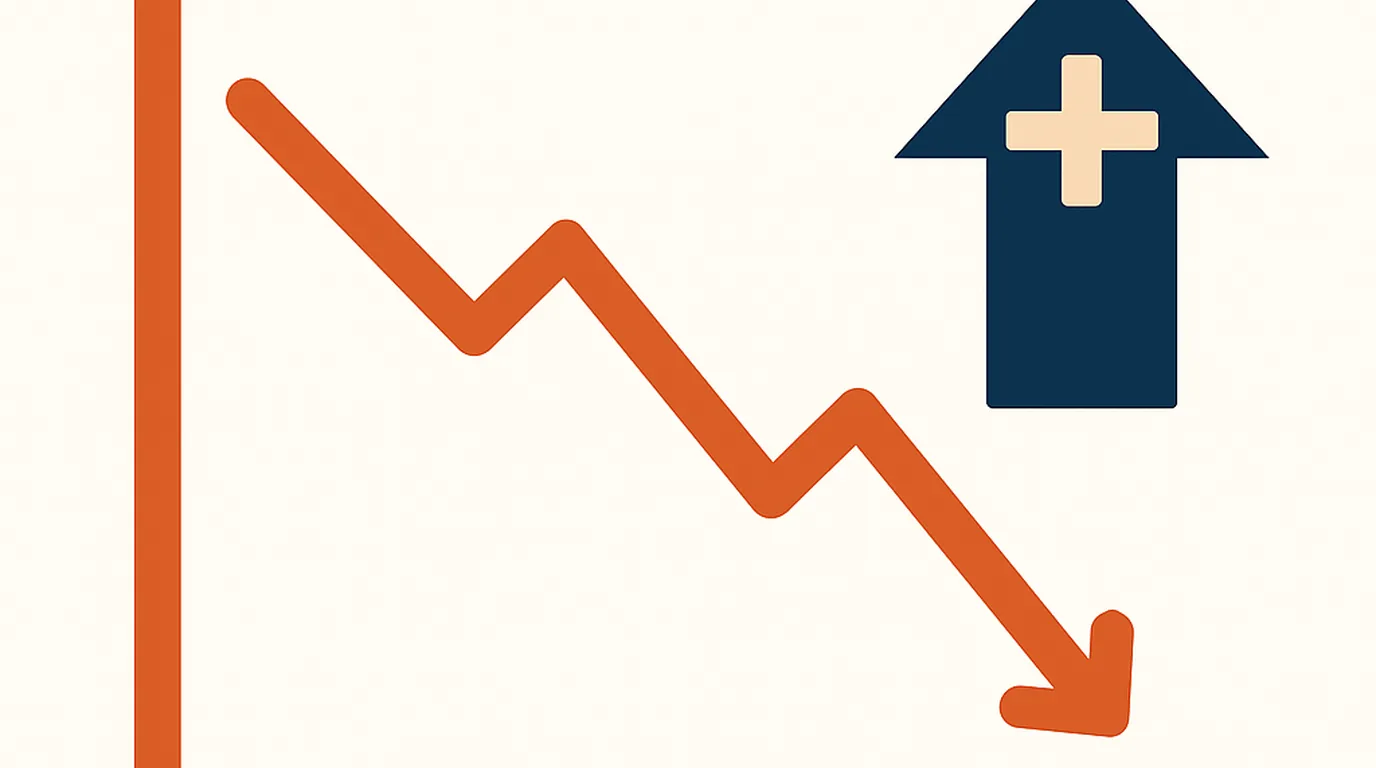
Advertiser budgets are tighter. The early PTC boom was fuelled by cheap ad inventory and high advertiser demand. As the market matured, budgets per view fell, and per-click rates fell with them. That is the main reason rates are lower today.
Competition is higher. There are more platforms chasing the same advertisers, which compresses what each can pay. The survivors are those with a real advertiser business, not those paying the highest headline rates.
The model shifted toward referrals. Because per-click rates are low, platforms increasingly rely on referral commissions and rented referrals to keep members engaged. That is where the money moved, and where the risk sits.
Payouts got better. Ironically, the payout side improved. Crypto rails, especially USDT on TRON, made small withdrawals cheap and fast, which the early platforms could not offer. Our payment methods comparison covers the modern options.
What still works in 2026
Despite the changes, several things still work well — and they are the ones to build on.
| What works | Why | Where to find it |
|---|---|---|
| Transparent rates | Lets you prioritise high-value tasks | Modern platforms like CatPTC |
| No-deposit earning | No capital at risk | Legitimate platforms |
| Cheap crypto payouts | Preserves small balances | USDT on TRON |
| Low minimums | Verify a platform quickly | Low-minimum platforms |
| Referral commissions | Semi-passive top-up | Direct-commission platforms |
The pattern is that the mechanics of PTC still work — you can still earn, still withdraw cheaply, and still build referrals. What has changed is the scale. The same effort yields less than it did years ago, which is why expectations matter more than ever. Our earnings breakdown sets the honest numbers.
What no longer works
Just as important is knowing what has stopped working, so you do not chase it.
Fixed daily income promises. Any platform promising a set amount per day for clicking is not describing how PTC economics work. Advertiser budgets cap what any platform can pay, and a fixed-income promise is a classic hook for deposit-based schemes.
Large per-click rates. A rate of dollars per click is not real. If a platform advertises it, the rate is either conditional, locked behind a deposit, or simply false. Our highest-paying guide explains the real rate ceiling.
Clicking alone as a meaningful income. At current rates, clicking alone produces a small amount. Treating it as an income leads to disappointment and, worse, to falling for schemes that promise more.
Rented referrals as profit. Renting referrals is a recurring cost with uncertain returns. It is where most people lose money rather than make it. Our passive income guide covers why.
The honest framing
PTC still works as a way to turn spare time into a small amount with no capital at risk. It does not work as an income, and anything promising otherwise is selling you something.
Who should still use PTC
PTC suits some people and not others, and being honest about which you are saves time.
| If you are… | PTC is… |
|---|---|
| A student with spare time | A reasonable small earner |
| Someone with idle commute time | A good fit |
| Looking for a full income | Not the right tool |
| Willing to deposit to earn more | Avoid — that is the risk |
| Interested in referrals long-term | Worth exploring |
If you have spare time that would otherwise produce nothing, PTC still turns it into a small but real amount, with no capital at risk. If you need income, PTC is the wrong tool, and no amount of optimisation changes that. Our beginner's guide covers how to start if you decide it fits.

For a full comparison of rails, see our payment methods guide and the low-minimum payout guide.
Still works, still free.CatPTC shows every task's reward before you click, pays in USDT on TRON, and starts you with a $1.50 signup bonus — no deposit.
Join free — no deposit →How to tell a surviving platform from a fading one
If PTC still works, the practical question is which platforms will still be here next year. A few signals separate the survivors from the fading ones.
A real advertiser side. Platforms that earn from advertisers have a sustainable business. Those that rely mainly on member deposits or referral purchases do not, and they are the ones that disappear.
Transparent rates. A platform confident in its economics shows rates before you click. One that hides them is usually hiding a weak rate.
Consistent payouts. A long, public payment history is the best evidence a platform will keep paying. Our scam-detection checklist covers how to check.
No deposit requirement. A platform that lets you earn and withdraw without paying has nothing to gain from your capital, which is a good sign. One that requires a deposit to release payouts is a warning.
Modern payout rails. Platforms that support cheap crypto withdrawals are investing in the member experience, which suggests they intend to keep members. Our USDT payout guide covers the modern options.
None of these guarantees survival, but together they separate platforms built to last from those built to extract a deposit and fade. Applying them takes minutes and can save you weeks.
The bottom line on whether PTC still works
PTC still works in 2026, but as a small earner for spare time rather than an income. Rates are lower than the early days, competition is higher, and the model has shifted toward referrals. What still works is the mechanics: transparent platforms, no-deposit earning, cheap crypto payouts and low minimums. What does not work is any promise of a fixed daily income or a large per-click rate.
If you have spare time and no capital to risk, PTC remains a reasonable way to earn a little. If you need income, look elsewhere. To compare the platforms themselves, see our best PTC sites of 2026 ranking.
Frequently Asked Questions
Do PTC sites still work in 2026?
Yes, but as a small earner for spare time rather than an income. Rates are lower than a decade ago and the model has shifted toward referrals, but the mechanics still work: you can earn, withdraw cheaply via crypto, and build referrals. What no longer works is any promise of a fixed daily income.
Are PTC sites dead?
No. PTC is not dead, but it has changed. Advertiser budgets are tighter and competition is higher, so per-click rates are lower. The platforms that survive have a real advertiser business, and the payout side has actually improved with cheap crypto rails.
Why are PTC rates so low now?
Because advertiser budgets per view fell as the market matured, and more platforms compete for the same advertisers. That compresses what each can pay. The survivors are those with a real advertiser business, not those advertising the highest headline rates.
Is PTC still worth it in 2026?
For spare time that would otherwise produce nothing, yes — it turns idle minutes into a small but real amount with no capital at risk. If you need income, PTC is the wrong tool, and no amount of optimisation changes that.
What is the biggest PTC red flag in 2026?
Any promise of a fixed daily income or a large per-click rate. Advertiser budgets cap what any platform can pay, so a fixed-income promise is a classic hook for deposit-based schemes. Judge platforms on transparent rates and no-deposit earning instead.
CatPTC partner plans carry capital at risk, and a published return is not a guarantee of future performance. Task earning involves no deposit and therefore no capital at risk. Earnings depend on the tasks you complete. Nothing in this article is financial advice.
See what each CatPTC task pays before you click
Every task shows its reward and timer up front — plus a $1.50 signup bonus to start with.
Create your free account →Registration takes under a minute and needs no card.

The CatPTC editorial team researches paid-to-click platforms hands-on — verifying payout terms, withdrawal records and trust signals before publishing. Every guide is fact-checked against live platform data and updated whenever terms change.