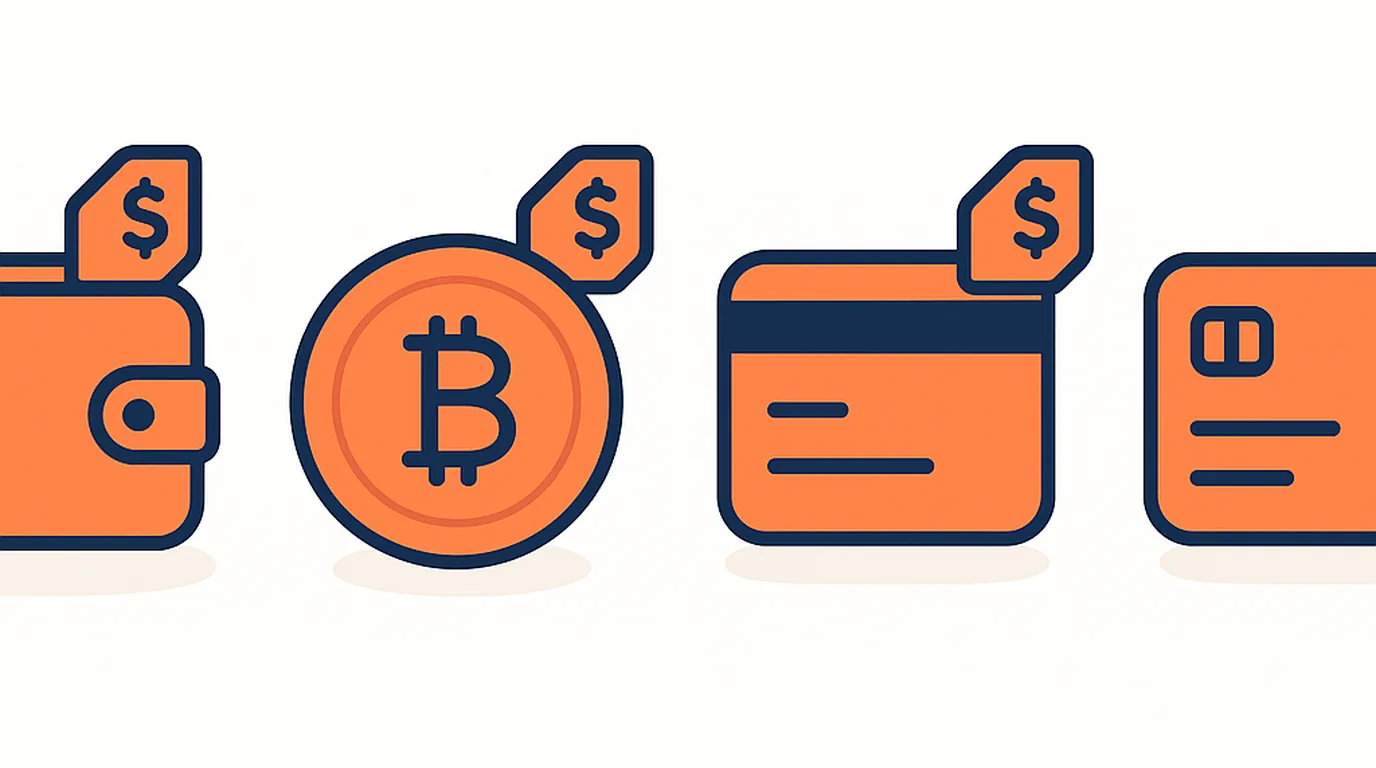
Your PTC payment method decides how much of your earnings you actually keep. A platform can pay a fair rate and still leave you with less than you earned, because fees, minimums and conversion costs vary enormously between rails. This guide compares the four methods you will meet most often — PayPal, crypto, Payeer and Skrill — on the factors that matter for small balances.
For small, frequent PTC balances, crypto (USDT on TRON) is usually cheapest because the network fee is flat rather than a percentage. Payeer is the closest PTC-native e-wallet. Skrill is a familiar bank-like option with higher fees. PayPal is the most familiar but the least available, and its per-transaction fees bite hardest on small payouts.
What actually matters in a payout method
Most comparisons rank payment methods by popularity. That is the wrong axis. For PTC, where balances are small and payouts frequent, four factors decide the real value of a rail.
Fee structure. A percentage fee punishes small payouts; a flat fee does not. On a $2 withdrawal, a 3% fee costs six cents while a flat network fee might cost a fraction of a cent. Over many small payouts, the difference compounds.
Minimum payout. A rail with a $25 minimum when you earn $2 a week means months of waiting. A rail with a low minimum lets you cash out early and often, which is also the best way to verify a platform pays.
Speed. Some rails settle in minutes, others in days. For small amounts, speed matters less for the money than for the confidence it gives you that the platform is real.
Availability. The best rail in the world is useless if it does not operate in your country. This is why crypto has become the default for PTC: it reaches almost everywhere.
The one rule that saves the most money
Match the rail to the size of your balance. Small, frequent balances belong on a flat-fee rail (crypto). Large, occasional balances can absorb a percentage fee (PayPal, Skrill) in exchange for familiarity.
The four methods compared
| Method | Fee type | Speed | Availability | Best for |
|---|---|---|---|---|
| Crypto (USDT TRC20) | Flat, low | Minutes | Broad | Small, frequent payouts |
| Payeer | Low, internal | Instant internal | Wide | PTC-native e-wallet |
| Skrill | Percentage | Minutes–days | Good | Bank-like familiarity |
| PayPal | Per-transaction + % | Minutes–days | Limited | Familiarity, bank link |
The pattern is clear: the rails built for micro-payments (crypto, Payeer) win on cost and availability, while the rails built for consumer convenience (Skrill, PayPal) win on familiarity and lose on fees and reach.
Fees on a small balance
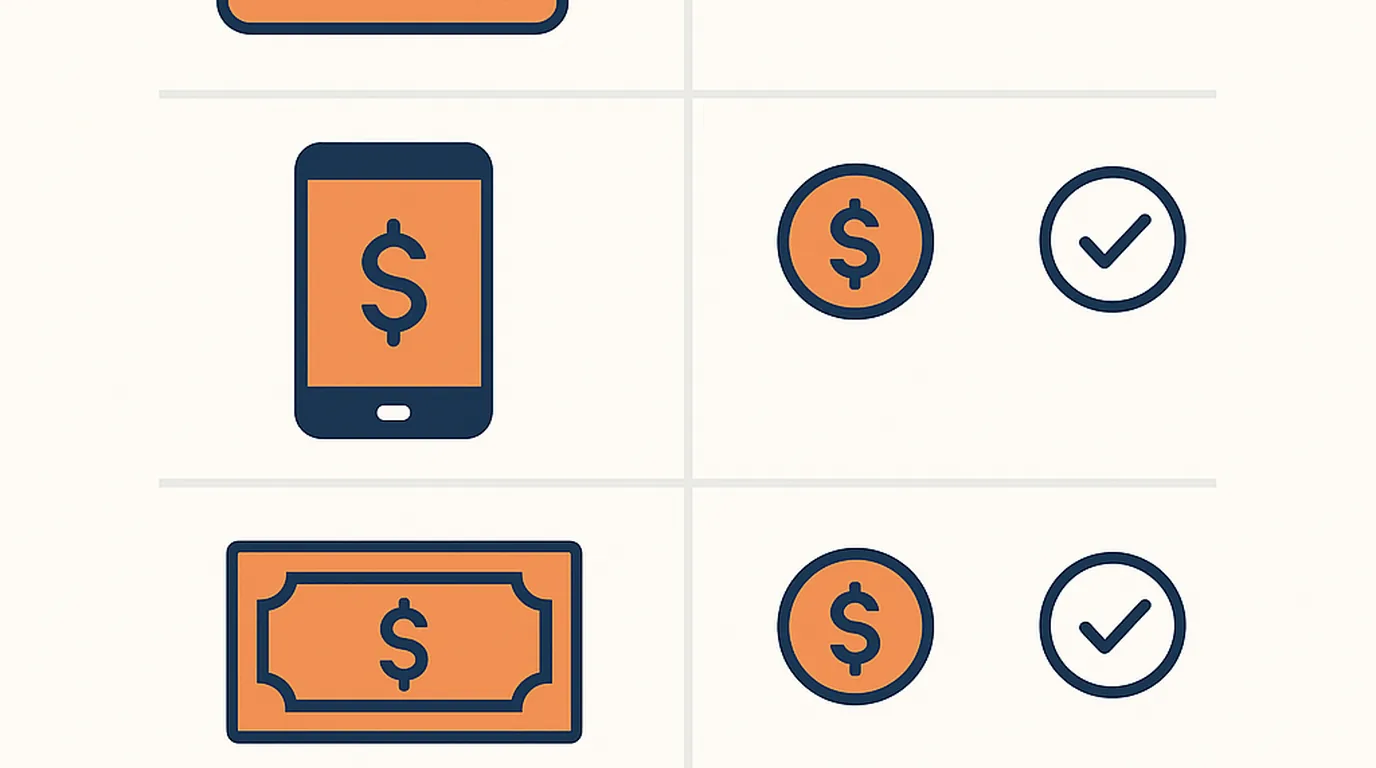
Fees are where the choice really shows. The table below illustrates the cost of withdrawing a small balance on each rail, using typical published fee structures. Exact figures vary by platform and country, so treat these as illustrations of the pattern rather than quotes.
| Rail | On a $2 payout | On a $20 payout | Notes |
|---|---|---|---|
| Crypto (TRC20) | Flat, minimal | Flat, minimal | Fee does not scale with amount |
| Payeer | Low | Low | Cheapest for internal transfers |
| Skrill | Percentage bites | Percentage still applies | Higher on small amounts |
| PayPal | Per-transaction + % | Per-transaction + % | Heaviest on small payouts |
The lesson is not that PayPal or Skrill are bad — they are convenient and trusted. It is that their fee structure is designed for larger, less frequent transfers, which is the opposite of how PTC balances behave. If you withdraw $2 ten times, a percentage fee costs you ten times; a flat fee costs the same each time regardless of amount.
For the crypto route specifically, the network you choose matters as much as the coin. Our USDT TRC20 vs ERC20 guide explains why TRC20 is almost always cheaper for small balances, and the safe withdrawal walkthrough covers the address checks that prevent a lost payout.
Which method should you choose?
The right answer depends on your situation, not on which rail is "best" in the abstract.
If you earn small amounts often: choose crypto
A flat, low network fee preserves the most value on small balances, and crypto reaches almost every country. USDT on TRON is the standard choice.
If you want a PTC-native wallet: choose Payeer
Payeer was built for micro-payments and is accepted by most older platforms. It is the closest thing to a PTC default e-wallet.
If you want bank-like familiarity: choose Skrill
Skrill is more bank-like than Payeer, with correspondingly higher verification and fees. Reasonable if familiarity matters more than cost.
If you already live in PayPal: use it where offered
PayPal is fine if a platform supports it and you value the bank link. Just accept the higher fee on small payouts and the risk that support may be dropped.
Whatever you choose, test it small first
Withdraw the minimum once on your chosen rail before you commit weeks of clicking. A confirmed small payout is the only proof that matters.
One more consideration: the rail is only as good as the platform behind it. A perfect payment method on a platform that does not pay is worthless. Run any candidate through our scam-detection checklist and compare it against the best PTC sites of 2026 before you commit time. If PayPal specifically is what you want, our PayPal payout guide covers which platforms still support it.
Want a payout rail that reaches you?CatPTC pays in crypto with no deposit required to earn, and starts you with a $1.50 signup bonus to test the flow.
Join free — no deposit →The bottom line
For most PTC users, crypto is the cheapest and most available rail, Payeer is the most PTC-native, Skrill is the most bank-like, and PayPal is the most familiar but the least available and the most expensive on small amounts. The mistake is choosing by familiarity alone and then losing a meaningful slice of a small balance to fees.
Pick the rail that matches your balance size and your country, learn it properly, and test it with a minimum withdrawal early. Do that, and your payment method stops being a source of lost money and becomes what it should be: a simple way to collect what you earned.
Frequently Asked Questions
What is the best PTC payment method in 2026?
For small, frequent balances, crypto such as USDT on TRON is usually cheapest because the network fee is flat rather than a percentage. Payeer is the most PTC-native e-wallet, Skrill is the most bank-like, and PayPal is the most familiar but least available.
Is crypto better than PayPal for PTC payouts?
For small amounts, usually yes. Crypto charges a flat, low network fee that does not scale with the payout size, while PayPal charges a per-transaction fee plus a percentage that bites hardest on small withdrawals.
What is Payeer and why do PTC sites use it?
Payeer is an e-wallet built for micro-payments, with low fees and instant internal transfers. It is accepted by most older PTC platforms and is the closest thing to a PTC-native payment rail.
Why do PTC sites drop PayPal?
PayPal's acceptable-use rules are cautious about high volumes of tiny reward payments, and its per-transaction fees are heavy on small payouts. Many platforms also serve countries where PayPal is limited, so they build around crypto instead.
How do I avoid losing money to payout fees?
Match the rail to your balance size: use a flat-fee rail like crypto for small, frequent payouts, and reserve percentage-fee rails like PayPal or Skrill for larger, occasional transfers. Always test with a minimum withdrawal first.
CatPTC partner plans carry capital at risk, and a published return is not a guarantee of future performance. Task earning involves no deposit and therefore no capital at risk. Earnings depend on the tasks you complete. Nothing in this article is financial advice.
See what each CatPTC task pays before you click
Every task shows its reward and timer up front — plus a $1.50 signup bonus to start with.
Create your free account →Registration takes under a minute and needs no card.

The CatPTC editorial team researches paid-to-click platforms hands-on — verifying payout terms, withdrawal records and trust signals before publishing. Every guide is fact-checked against live platform data and updated whenever terms change.