
ySense is the platform that used to be called ClixSense, and for a lot of people it was the first paid-to-click site they ever joined. ClixSense ran from 2007 until it rebranded to ySense in 2018, and the name change came with a shift in what the site actually is. It is no longer a classic click-for-cents PTC site. It is a GPT platform — get-paid-to — where surveys, offers and micro-tasks do most of the heavy lifting. That distinction matters, because people who sign up expecting 2012-era ClixSense are usually disappointed, while people who want survey and task work often find it useful.
ySense is legitimate and still pays in 2026. It is not a scam, and its payout history is long and documented. But it is a GPT platform now, not a classic PTC site: surveys and offers pay far more than ad clicks, availability varies sharply by country, and the minimum withdrawal is $10 for most methods. If you want free, transparent task earning with a low payout threshold, a modern PTC platform is a better fit.
What is ySense and how did it evolve from ClixSense?
ClixSense launched in 2007 and built its reputation on straightforward paid-to-click advertising: members viewed ads, earned a fraction of a cent each, and could rent referrals to scale up. For a decade it was one of the most trusted names in the category. In 2018 the company rebranded to ySense and repositioned the product around surveys, offers and tasks, with ad clicking demoted to a minor feature.
That repositioning was a rational response to the market. Ad-click rates had collapsed across the industry, and the money in the GPT world sits in survey panels and offer walls, where advertisers pay far more per completed action. ySense followed the revenue. The result is a platform that is more sustainable than a pure PTC site but also more demanding of your time and attention.
If you are coming from a PTC background, the practical takeaway is simple: on ySense, the ad-clicking you remember is now a rounding error. The earning happens elsewhere.
How you earn on ySense: ads, surveys, tasks and offers
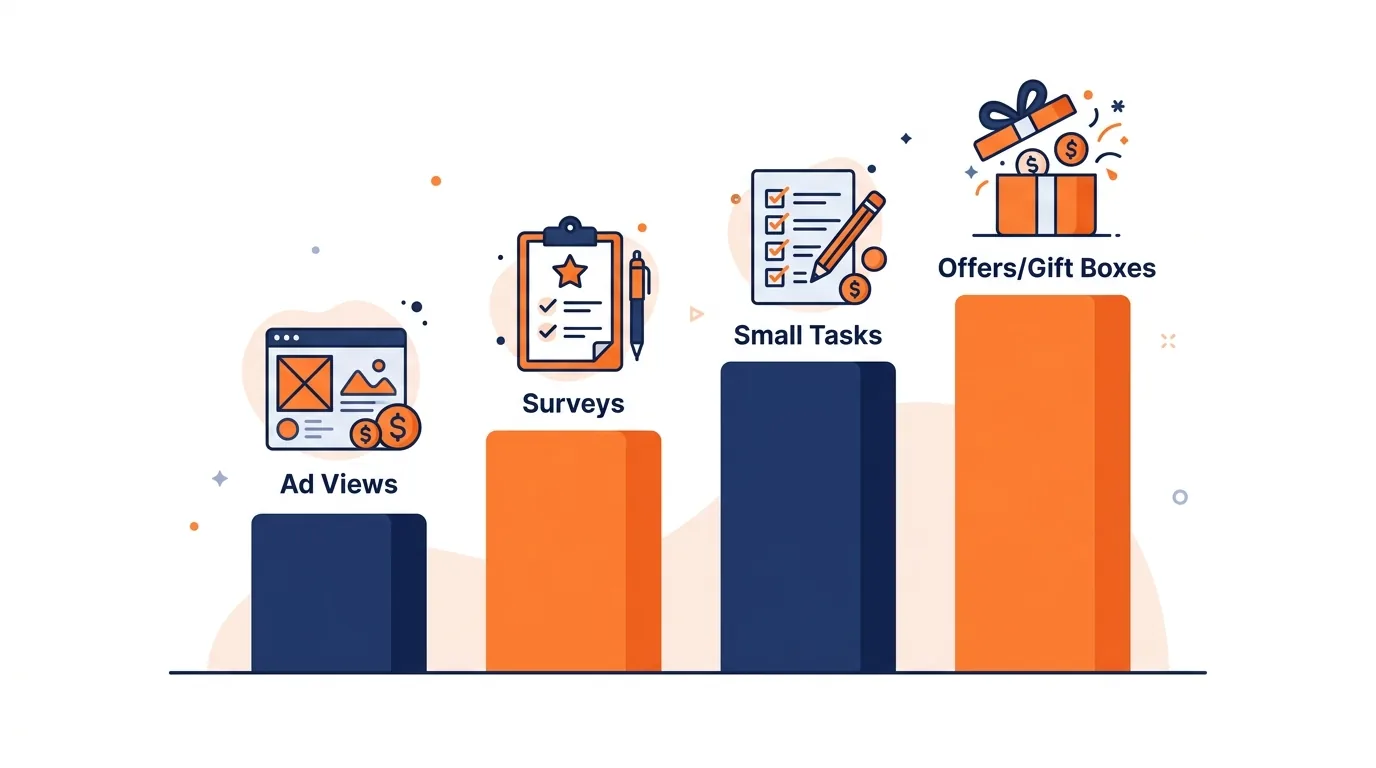
ySense bundles four earning methods, and they are not equal. Understanding the hierarchy is the difference between earning a few dollars a month and earning nothing at all.
| Method | Typical reward | Time per action | Availability |
|---|---|---|---|
| Paid ads (PTC) | $0.001–$0.02 | 10–30 seconds | Wide |
| Surveys | $0.30–$2.00 | 5–20 minutes | Country-dependent |
| Micro-tasks | $0.05–$0.50 | 1–10 minutes | Moderate |
| Offers / sign-ups | $0.50–$20+ | Varies | Country-dependent |
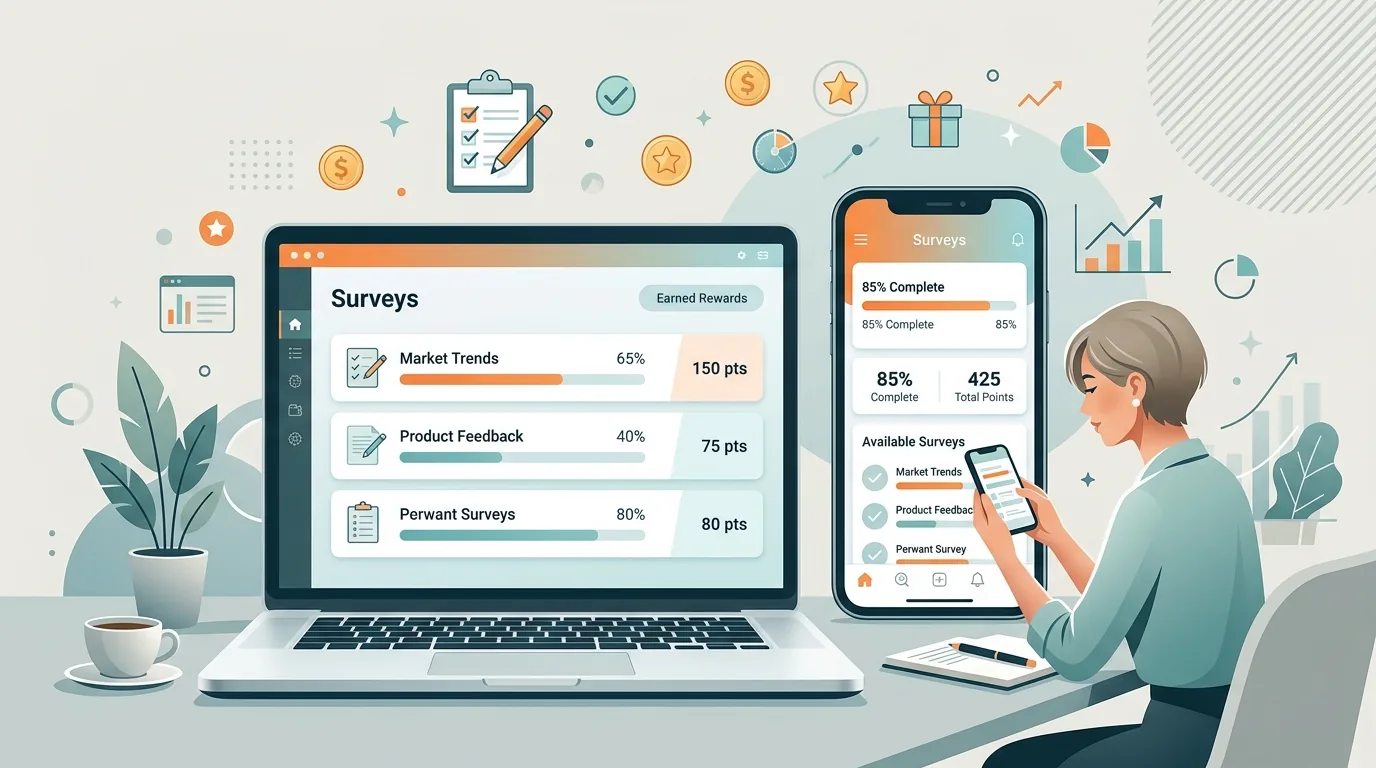
Surveys are the core of the platform. A completed survey pays anywhere from thirty cents to a couple of dollars, which is fifty to a hundred times what a single ad click pays. The catch is qualification: you will be screened out of a large share of surveys after answering a few questions, and those screen-outs pay nothing. In lower-tier survey markets, screen-out rates can exceed fifty percent, which drags the effective hourly rate down hard.
Offers are the highest-paying option and the most variable. Signing up for a trial, installing an app or completing a sponsored action can pay several dollars, but offers often carry conditions — a minimum spend, a subscription, a verification step — and some are simply not worth the commitment. Read the terms before you start, not after.
Micro-tasks sit in the middle: categorising images, transcribing short clips, verifying data. They pay modestly but reliably, and they are less dependent on your demographic than surveys.
Paid ads are the legacy feature. They still exist, they still pay, and they are still almost worthless as an income source. Treat them as a daily bonus, not a strategy.
Payout methods, minimums and processing times
ySense pays through a handful of rails, and the minimum withdrawal depends on which one you choose. The headline number most people quote is $10, but that is not universal.
| Payout method | Minimum | Typical processing |
|---|---|---|
| PayPal | $10 | 1–3 business days |
| Payoneer | $10 | 1–3 business days |
| Skrill | $10 | 1–3 business days |
| Gift cards | $5–$10 | Instant to 24 hours |
| Crypto (where offered) | Varies | Minutes to hours |
The $10 threshold is the single biggest friction point for new users. On a pure ad-clicking diet you would need months to reach it. On surveys, a committed user can clear it in a week or two, but only if surveys are actually available in their country. This is why ySense feels very different depending on where you live: a user in the United States or the United Kingdom sees a steady stream of surveys, while a user in a smaller market may see almost none.
Check availability before you commit
Before investing hours in ySense, log in and look at how many surveys are actually offered to your account on a normal day. If the number is in the single digits, the platform will not pay you meaningfully no matter how much effort you put in. Availability, not effort, is the binding constraint.
ySense vs classic PTC sites: where it wins and loses
Comparing ySense to a classic PTC site is really a comparison of two different business models, and each wins on different axes.
Where ySense wins: the ceiling is higher. A good survey day can pay more than a week of ad clicking. The platform is also more established and better funded than most PTC sites, which reduces the risk of a sudden collapse. And because it is a GPT platform, it is less exposed to the ad-rate collapse that has squeezed pure PTC economics.
Where ySense loses: the floor is lower and less predictable. On a classic PTC site you can always click and always earn something, however small. On ySense, if no surveys are available to you, you earn nothing, and screen-outs mean you can spend twenty minutes and walk away with zero. The $10 minimum is also higher than the $1–$2 thresholds common on modern PTC platforms.
If you want to understand the broader trade-off between these two models, our guide to PTC vs GPT sites breaks down the per-hour math in detail. The short version: GPT platforms like ySense pay more per action but offer less certainty, while PTC platforms pay less but pay more reliably.
Realistic monthly earnings: what users actually report
Marketing pages love to imply that survey sites are a side income. The honest numbers are more modest. Based on the ranges users report and the platform's own published rates, here is what a realistic month looks like.
| User profile | Daily effort | Realistic monthly total |
|---|---|---|
| Casual (ads only) | 5–10 min | $1–$3 |
| Surveys, strong market | 30–60 min | $20–$60 |
| Surveys, weak market | 30–60 min | $3–$10 |
| Offers + surveys, heavy use | 1–2 hours | $50–$120 |
Those figures assume you actually qualify for surveys. The heavy-use row is achievable but demanding, and it depends on a steady supply of high-paying offers that are not always available. Anyone promising $500 a month from ySense is either selling something or counting referral income they do not have.
Is ySense legit? Trust signals and red flags
ySense is legitimate. It has operated since 2007 under two names, it has a documented payout history, and it is widely discussed on Trustpilot and Reddit with a mix of praise and complaints that is normal for the category. There is no credible evidence that it fails to pay members who meet the withdrawal threshold.
The complaints that do exist cluster around three themes, and they are worth understanding because they are not really about fraud:
- Screen-outs. Users spend time on surveys and get disqualified, earning nothing. This is standard survey-panel behaviour, not a scam, but it feels bad and it is the most common source of frustration.
- Account deactivation. A small number of users report accounts being closed for suspected fraud or VPN use. ySense enforces its terms strictly, and using a VPN to access surveys is a common trigger.
- Low ad rates. People who joined expecting ClixSense-era clicking are disappointed by how little the ads pay now.
How to protect your account
Use one account, one device profile and no VPN. Answer survey questions honestly and consistently — inconsistent answers are the fastest way to get flagged. And withdraw as soon as you clear the minimum rather than letting a balance sit, which is good practice on any platform.
For a broader framework on separating real platforms from deposit traps, see our guide on how to spot a scam PTC site. ySense passes those checks comfortably; the risk with ySense is wasted time, not stolen money.
Verdict: who should use ySense in 2026
ySense is a legitimate, long-running GPT platform that still pays. Whether it is worth your time depends almost entirely on two things: where you live, and whether you are willing to do survey work.
Use ySense if you are in a strong survey market, you do not mind screen-outs, and you want a platform with a long track record and a higher earning ceiling than ad clicking can offer. For that user, ySense is a reasonable choice and one of the more trustworthy names in the space.
Skip ySense if you are in a smaller market where surveys are scarce, or if you want the certainty of always earning something for your time. In that case a modern PTC platform with low minimums and transparent per-task rates will serve you better. Our best PTC sites of 2026 comparison ranks those options, and if you want to see how the two models stack up head to head, start with PTC vs GPT sites.
The honest summary: ySense is not the ClixSense you remember, and it is not a scam either. It is a survey platform wearing a familiar name, and it rewards the people it was built for — and only them.
Frequently Asked Questions
Is ySense still legit in 2026?
Yes. ySense has operated since 2007 (as ClixSense until 2018) and has a long documented payout history. It is not a scam. The main complaints are survey screen-outs and strict account rules, not failure to pay.
How much can you earn on ySense per month?
Realistically, casual ad-clicking earns $1 to $3 a month. Survey users in strong markets can earn $20 to $60, and heavy users combining surveys and offers can reach $50 to $120. Earnings depend far more on survey availability in your country than on effort.
What is the minimum payout on ySense?
The minimum is $10 for PayPal, Payoneer and Skrill, and $5 to $10 for gift cards. That is higher than the $1 to $2 thresholds common on modern PTC platforms, which is a real friction point for new users.
Is ySense the same as ClixSense?
ySense is the rebranded ClixSense. The company changed its name in 2018 and repositioned the platform around surveys, offers and tasks, with ad clicking demoted to a minor feature. The old click-for-cents model is effectively gone.
Why do I get screened out of ySense surveys?
Screen-outs are standard survey-panel behaviour: advertisers need specific demographics, and you are disqualified when you do not match. Screen-outs pay nothing, which is why the effective hourly rate on surveys is lower than the headline reward suggests.
CatPTC partner plans carry capital at risk, and a published return is not a guarantee of future performance. Task earning involves no deposit and therefore no capital at risk. Earnings depend on the tasks you complete. Nothing in this article is financial advice.
See what each CatPTC task pays before you click
Every task shows its reward and timer up front — plus a $1.50 signup bonus to start with.
Create your free account →Registration takes under a minute and needs no card.

The CatPTC editorial team researches paid-to-click platforms hands-on — verifying payout terms, withdrawal records and trust signals before publishing. Every guide is fact-checked against live platform data and updated whenever terms change.