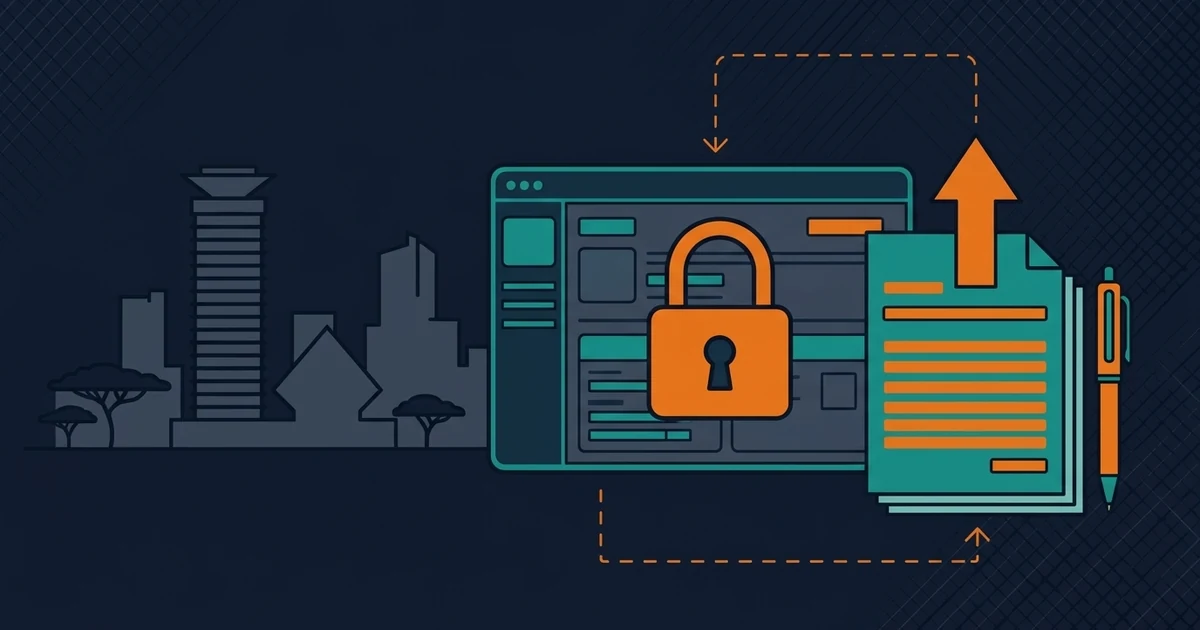
Getting banned from a paid-to-click platform is a strange kind of loss. There is no money in your hand to argue about, just a balance on a screen you can no longer reach and a support form that returns a template.
Most bans are automated, and a meaningful share of them are wrong. The difference between a member who gets their account back and one who does not is rarely the strength of their complaint. It is whether they can produce evidence that answers the specific rule the system thinks they broke. This guide is about identifying that rule and answering it.
Most PTC bans are triggered by one of five automated rules: multiple accounts on one device or IP, VPN or proxy use, automated clicking, a payment dispute, or referral fraud. An appeal succeeds when it names the specific rule, explains the innocent explanation with evidence, and asks for a specific outcome. Appeals that succeed are short, factual, and sent once — not repeated daily.
Why platforms ban, and why they ban automatically
A paid-to-click platform's economics depend on advertiser trust. If a meaningful share of clicks come from bots or duplicate accounts, advertisers stop paying and the platform dies. That makes fraud detection existential rather than optional, and it means the systems are tuned to act first and review later.
The consequence for an honest member is that a false positive is not a bug in the system — it is the cost of the system working at the speed it needs to. Understanding that changes how you appeal: you are not arguing about justice, you are supplying the missing data point that lets a reviewer override an automated decision.
The five triggers, and what each looks like
| Trigger | What the system sees | Innocent explanation |
|---|---|---|
| Multiple accounts | Same device fingerprint, IP, or payout address | Shared household, shared phone, shared wallet |
| VPN or proxy | IP geolocation inconsistent with profile | Corporate network, mobile carrier NAT, privacy tool |
| Automation | Click timing too regular, no mouse movement | Fast manual clicking, browser extension, accessibility tool |
| Payment dispute | Chargeback or reversal on a deposit | Bank flagged a transaction, or a family member disputed it |
| Referral fraud | Referrals from one IP or with no activity | Genuine referrals who happen to share a network |
Notice that four of the five have a plausible innocent version. That is why appeals work at all — and why a vague appeal does not.
Diagnose which rule you hit
Before writing anything, work out which trigger applies. The ban notice is often unhelpful, but the surrounding evidence is not.
- Check the timing. A ban minutes after a withdrawal request is usually a payment or verification flag. A ban after a burst of referrals is usually referral fraud. A ban on first login from a new country is usually VPN or geolocation.
- Check what you changed. New device, new browser, new VPN, new wallet address, new payment method. The most recent change is the most likely trigger.
- Check the household. Anyone else on your network with an account is a multiple-account flag waiting to happen, even if you never interacted.
One rule per appeal. If you address five possible causes, the reviewer cannot tell which one you are answering and the appeal reads as a denial. Pick the most likely trigger and answer that one properly.
The appeal that works
Four parts, in this order, and short. A reviewer handling hundreds of tickets will not read a page of grievance.
Identify the account and the decision
Username, email, the date of the ban, and the exact wording of the notice. This lets the reviewer find the case without asking.
Name the rule you believe was triggered
"I believe my account was flagged for multiple accounts because my brother and I share a home network." Naming the rule shows you understand the system rather than disputing it.
Give the innocent explanation with evidence
This is the part that decides it. Evidence means something checkable: a screenshot of the shared router's device list, a phone bill showing the same address, a bank statement showing the deposit came from your account.
Ask for a specific outcome
"Please review the flag and restore the account, or tell me which specific evidence would resolve it." A specific ask is easier to grant than a general complaint.

What counts as evidence
| Claim | Weak evidence | Strong evidence |
|---|---|---|
| Shared household | "My brother lives here" | Utility bill with both names, or router device list |
| VPN use | "I use a VPN for privacy" | Screenshot of the VPN app with the connection log, plus a login from your real IP |
| Manual clicking | "I don't use bots" | Screen recording of a session, or the browser extension list |
| Payment dispute | "I didn't dispute it" | Bank statement showing the charge was not reversed |
| Genuine referrals | "They are real people" | Referral usernames with their own activity history |
The pattern is that strong evidence is something the platform can independently verify. A claim it has to take on trust is weak no matter how true it is.
Timing and follow-up
Send the appeal once, then wait. Most platforms answer within three to ten business days. Repeated daily messages move a ticket to the back of the queue on many systems, and they make a legitimate case look like harassment.
If there is no answer after the platform's stated support window, send one short follow-up referencing the original ticket number. Then stop. A second silence is an answer.
Making a second account while an appeal is open converts a reversible flag into a permanent ban on both. It is the single most common way members turn a recoverable situation into a total loss. Wait for the appeal outcome, however frustrating the wait is.
When the appeal fails
Some bans are correct and some platforms do not review. If the appeal fails, three things are worth doing and one is not.
- Withdraw what you can. Some platforms allow a balance withdrawal after a ban. Ask explicitly; it is sometimes possible even when the account stays closed.
- Document the outcome. A dated record of the ban and the appeal response is useful if money is involved and you escalate to a payment processor or consumer authority.
- Change your setup before joining elsewhere. If the trigger was a shared IP or a VPN, the same flag will fire on the next platform.
- Do not do: post the platform's support emails publicly. It feels satisfying and it removes any remaining willingness to help.
Preventing the next ban
An appeal recovers one account. Changing your setup prevents the next five bans, and the changes are small.
- One account per person, per network, per device. If a household member also earns, tell support before they sign up rather than after a flag fires. A pre-declared shared network is a note on the file; an undeclared one is a fraud signal.
- Keep your IP stable. Do not switch between a VPN and a home connection on the same account. If you must use a VPN, use the same one consistently from the first login.
- Use one wallet address per platform. A payout address shared with another account is one of the strongest duplicate signals there is, and it is invisible to you until it fires.
- Click like a human. Not because you are being watched every second, but because the timing patterns that automation produces are trivially detectable and impossible to explain away afterwards.
- Never dispute a deposit without telling support first. A chargeback is an automatic ban on most platforms. If a bank flags a transaction, contact the platform the same day.
The shared-wallet trap. Two members in the same household using the same exchange deposit address will be flagged as one person with two accounts, even if every other signal is clean. Use separate addresses, and separate exchange accounts if you can.
What to do with the balance after a ban
This is the question nobody answers, and it is often worth more than the account itself.
Some platforms allow a balance withdrawal after a ban even when the account stays closed. Ask explicitly and in writing: "Is my earned balance withdrawable, and what is the process?" A refusal is an answer, and a written refusal is useful evidence if you escalate.
If the platform refuses and the amount is meaningful, the escalation path is the payment processor that handled your deposits, then the hosting provider, then your local consumer authority. Each step needs the same evidence pack: the ban notice, your balance screenshot, the withdrawal request, and the support thread. Without that pack, none of the three will act.
Sources and method
Ban triggers and appeal processes are described from platform terms of service and member reports across common PTC platforms in 2026. Specific policies vary by platform and change without notice. This is not legal advice; for amounts worth pursuing, a local consumer adviser is the right next step.
Frequently Asked Questions
Can I get my PTC account back after a ban?
Sometimes. Bans triggered by automated rules are reversible when you can supply evidence that answers the specific rule. Bans for confirmed automation or duplicate accounts are usually permanent. The appeal succeeds or fails on the evidence section, not on the tone of the complaint.
Why was I banned for multiple accounts when I only have one?
Shared networks are the usual cause: a household member, a shared phone, or a shared wallet address. The system sees one fingerprint and flags it. A utility bill with both names, or a router device list, is the evidence that resolves it.
Does using a VPN get you banned from PTC sites?
It can. Many platforms treat a geolocation mismatch as a fraud signal, especially if your profile country and your IP country disagree. If you need a VPN, use it consistently from the first login rather than switching mid-account, and be ready to explain it.
How long does a PTC ban appeal take?
Typically three to ten business days. Sending daily follow-ups usually moves the ticket backwards. Send once, wait for the stated support window, then send one short follow-up with the original ticket number.
Should I make a new account while my appeal is open?
No. It converts a reversible flag into a permanent ban on both accounts and removes any chance of a favourable review. It is the most common way members turn a recoverable situation into a total loss.
Verdict
A ban is a data problem more often than a justice problem. Work out which rule fired, answer that rule with something the platform can verify, and ask for a specific outcome. That appeal has a real chance. A long complaint about fairness does not.
If the appeal fails, take the lesson to the next platform: the trigger was probably your network, your device, or your wallet, and it will follow you until you change it.
For prevention see the account security guide, and for the wider trust question see the verification checklist.
Other ways to earn beyond this guide
Sponsored partner offers for readers who want a second income stream alongside PTC tasks. These links are paid placements — the partner sets the terms, the rewards and the payout.
See the sponsored offers →Opens a partner page in a new tab. This is not a CatPTC task and does not credit your CatPTC balance.
Test CatPTC with the $1.50 signup bonus
Registration costs nothing, needs no card, and new members get $1.50 credited instantly.
Create your free account →No deposit required to start. Withdrawals in BTC, ETH, LTC, DOGE or USDT.