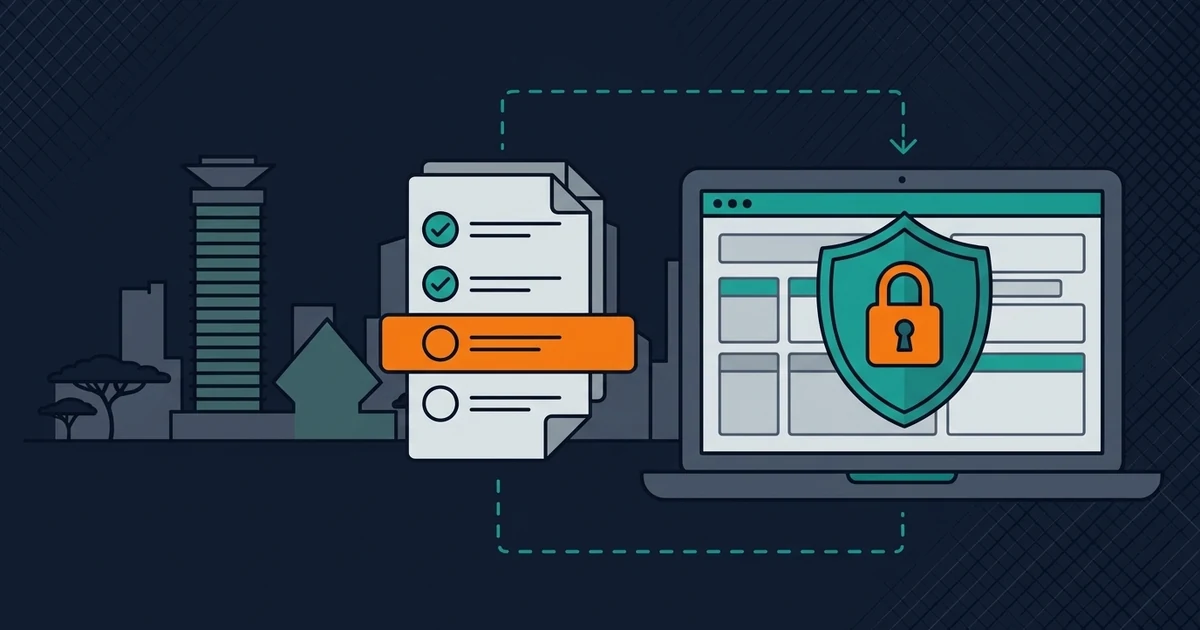
Payoneer is the only payout rail in the PTC space that gives you something a bank would recognise: a real receiving account with real account details, in your own name, that a third party can pay into. That is genuinely useful, and it is why members keep asking for it.
It is also the rail most likely to hold your money. Payoneer's compliance model is built for freelancers and businesses with invoices and clients, not for micro-payments from a paid-to-click platform. The gap between what Payoneer expects and what a PTC earner can document is where accounts get frozen. This guide is about closing that gap before it closes on you.
Payoneer works for PTC payouts only if you can document where the money came from. The platform must be able to pay a business-to-business transfer into your receiving account, and you must be able to produce a record of the earnings on request. Most PTC platforms cannot do the first, and most members cannot do the second — which is why Payoneer accounts get limited. If you can satisfy both, it is the cheapest way to receive dollars with a real account number; if you cannot, use crypto and skip the risk.
What Payoneer actually is, and why that matters
Payoneer is not a wallet in the PayPal sense. It is a cross-border payments business built around giving freelancers and small companies a way to receive money from clients and platforms. Its core product is a receiving account: real account details in a currency, in your name, that a payer can send to as a normal business transfer.
That model has three consequences for a PTC member:
- Payers are expected to be businesses. Payoneer's risk engine is tuned for company-to-individual payments with an underlying commercial relationship.
- You are expected to have a source of income it can name. Freelance platforms, marketplaces, and approved corporate payers are the normal case.
- Micro-payments look unusual. A stream of small inbound transfers from a platform Payoneer has never heard of is exactly the pattern its monitoring is designed to flag.
None of that makes Payoneer hostile to PTC earners. It makes it structurally mismatched, and the mismatch is what you have to manage.
Which PTC platforms can pay into Payoneer
Very few, and the ones that claim to usually mean something narrower than you think.
| What the platform says | What it usually means | Does it work? |
|---|---|---|
| "Payoneer payout" | A business transfer to your receiving account | Sometimes — if the platform is an approved payer |
| "Bank transfer" | SWIFT to your Payoneer account details | Rarely — SWIFT into Payoneer is often rejected |
| "Payoneer via partner" | A payout processor that settles into Payoneer | Unreliable — the processor, not Payoneer, decides |
| "Withdraw to card" | Payoneer's own card, funded from your balance | Yes, but you still need the balance funded first |
The practical test is simple: ask support, in writing, whether the platform is an approved Payoneer payer and whether the transfer will show the platform's name as the sender. If the answer is vague, assume it will not work and do not build a balance on that assumption.
The minimum-withdrawal test. Withdraw the smallest amount the platform allows, into Payoneer, and watch it land. Do this before you have $200 sitting in a platform account you cannot get out of. A withdrawal marked "paid" in a dashboard is not money in a receiving account.
The verification wall, step by step
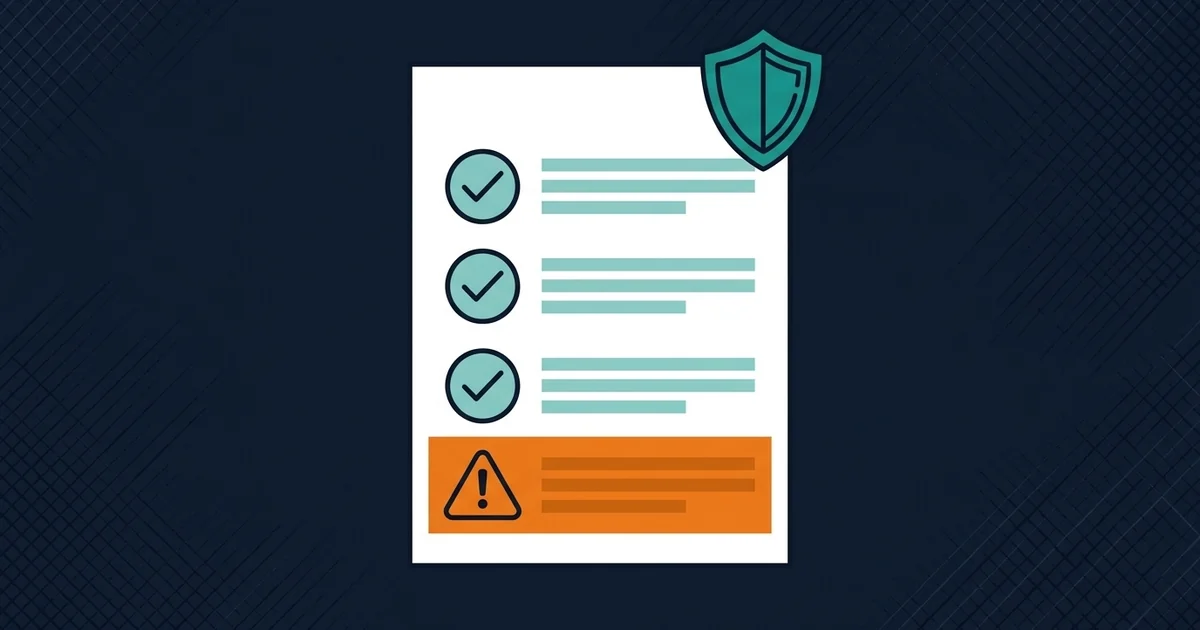
This is the part that catches people. Payoneer will ask for documents, and the documents it wants are the ones a freelancer has and a PTC earner usually does not.
Identity
Government ID and a selfie. Straightforward, and the same as any regulated platform. Do this before you need it, not after a payment is held.
Address
A utility bill or bank statement in your name, dated within the last few months. A mobile-money statement is often accepted where a utility bill is not.
Source of funds
The hard one. Payoneer wants to know where the money comes from. A PTC platform's withdrawal history, exported as a statement, is the document that answers this. If the platform does not offer an export, screenshots with dates are better than nothing.
Business or activity description
You may be asked to describe your activity. "Online advertising rewards" or "paid-to-click earnings" is an honest answer and usually acceptable for modest amounts. Do not describe it as something it is not.
The members who get limited are almost never the ones who earned the money. They are the ones who cannot produce step three.
What Payoneer costs
Payoneer's fee structure is built for larger transfers than a PTC withdrawal, and the fixed components hurt small amounts disproportionately.
| Action | Typical cost | Effect on a $50 payout |
|---|---|---|
| Receiving a payment | 0–1% | $0–$0.50 |
| Currency conversion | 0.5–2% above mid-market | $0.25–$1.00 |
| Withdrawal to local bank | $1.50–$3 fixed, or 2% | 3–6% of the payout |
| Withdrawal to card | Around $3.15 | 6.3% of the payout |
| Inactivity fee | Around $30/year after 12 months idle | Can exceed the balance |
That last row matters more than it looks. A Payoneer account with $40 in it and no activity for a year can be charged more than it holds. If you are testing Payoneer, test with an amount you are willing to lose, and either use the account or close it.
When Payoneer beats the alternatives
Payoneer is not the cheapest rail. It is the most bank-like rail, and that is worth something in specific situations.
It wins when you need a real account number
Some landlords, employers and platforms will only pay into an account with routing details in your name. Payoneer provides that. A crypto wallet does not.
It wins when you are already a freelancer
If you already receive client payments through Payoneer, adding PTC earnings to an established, verified account with a transaction history is far lower risk than opening a fresh account purely for PTC.
It loses on small amounts
Below roughly $100 a month, the fixed withdrawal fees and the inactivity risk make Payoneer a poor choice. Use a rail with percentage-based or negligible fees.
It loses on speed
Withdrawals to a local bank take one to three business days, and a compliance review can add a week. If you need the money quickly, this is not the rail.
How to keep the account open
Four habits that materially reduce the chance of a limitation.
- Keep the activity pattern boring. Regular, similar-sized transfers from the same named payer look normal. A sudden spike from a new source does not.
- Never let a third party use your account. Receiving money on someone else's behalf is the fastest route to a permanent closure, and it is a common request in PTC communities.
- Respond to document requests within days. A held payment that you answer quickly is usually released. One you ignore becomes a closed account.
- Withdraw regularly rather than accumulating. A large balance sitting idle is both an inactivity-fee target and a bigger loss if the account is limited.
Never keep more than one or two months of earnings in a single payout rail. Payoneer, PayPal and every other regulated intermediary can limit an account with little notice. Spreading across two rails costs a little in fees and removes a single point of total loss.
Sources and method
Payoneer's fee schedule and verification requirements are from Payoneer's published pricing and help pages for 2026. Platform payout terms are site-reported and change without notice. Fee ranges are observed across common corridors, not quotes. This is not tax or legal advice — treatment of online earnings varies by jurisdiction.
Frequently Asked Questions
Can I get PTC payouts into Payoneer?
Only if the platform is an approved Payoneer payer and can send a business transfer to your receiving account. Very few are. Ask support in writing whether the transfer will show the platform as the sender, and test with the minimum withdrawal before building a balance.
Why was my Payoneer account limited after a PTC payout?
Almost always because Payoneer could not establish the source of funds. Its compliance model expects a named commercial payer and a document trail. A PTC withdrawal history export, or dated screenshots, is what answers the request. Accounts get limited when there is no record at all.
Is Payoneer cheaper than PayPal for PTC?
On the receiving side, usually yes. On the withdrawal side, no — Payoneer charges a fixed fee of roughly $1.50–$3 to move money to a local bank, which is a large share of a small payout. PayPal's percentage fee hurts more on large amounts, Payoneer's fixed fee hurts more on small ones.
What happens if I leave money in Payoneer unused?
An inactivity fee of around $30 a year can apply after twelve months with no activity. On a small balance that can exceed what the account holds. Either use the account regularly or withdraw and close it.
Can someone else receive money through my Payoneer account?
No. Receiving funds on behalf of another person is a fast route to permanent closure and is a common request in PTC communities. It is also the single most common reason accounts are closed rather than merely limited.
Verdict
Payoneer is the right rail for a narrow group: members who already have a verified account with a transaction history, who can document their PTC earnings, and who receive enough each month that a fixed withdrawal fee is noise. For everyone else it is a compliance obstacle with a fee attached.
If you want to try it, do it in this order: verify fully first, withdraw the minimum, confirm it lands, then scale. Never let a balance accumulate in a rail you have not yet tested end to end.
For the wider comparison see payment methods compared, and for the cheapest route to a real bank account see PTC sites that pay via Wise.
Other ways to earn beyond this guide
Sponsored partner offers for readers who want a second income stream alongside PTC tasks. These links are paid placements — the partner sets the terms, the rewards and the payout.
See the sponsored offers →Opens a partner page in a new tab. This is not a CatPTC task and does not credit your CatPTC balance.
Test CatPTC with the $1.50 signup bonus
Registration costs nothing, needs no card, and new members get $1.50 credited instantly.
Create your free account →No deposit required to start. Withdrawals in BTC, ETH, LTC, DOGE or USDT.